

1. Data Requirements Framework
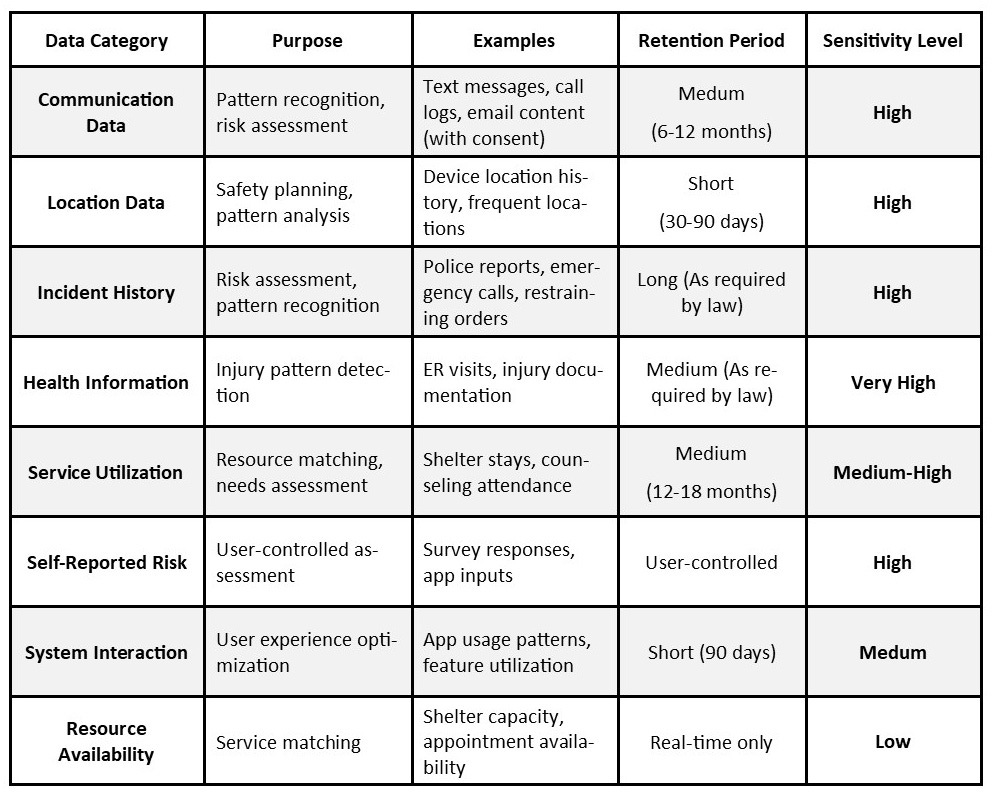
1.1 Core Data Categories
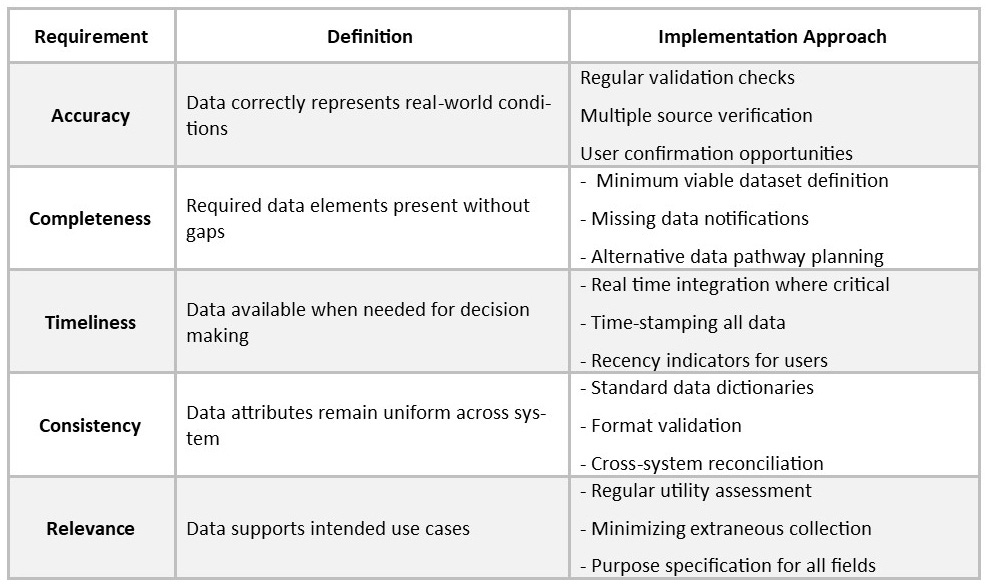
1.2 Data Quality Requirements
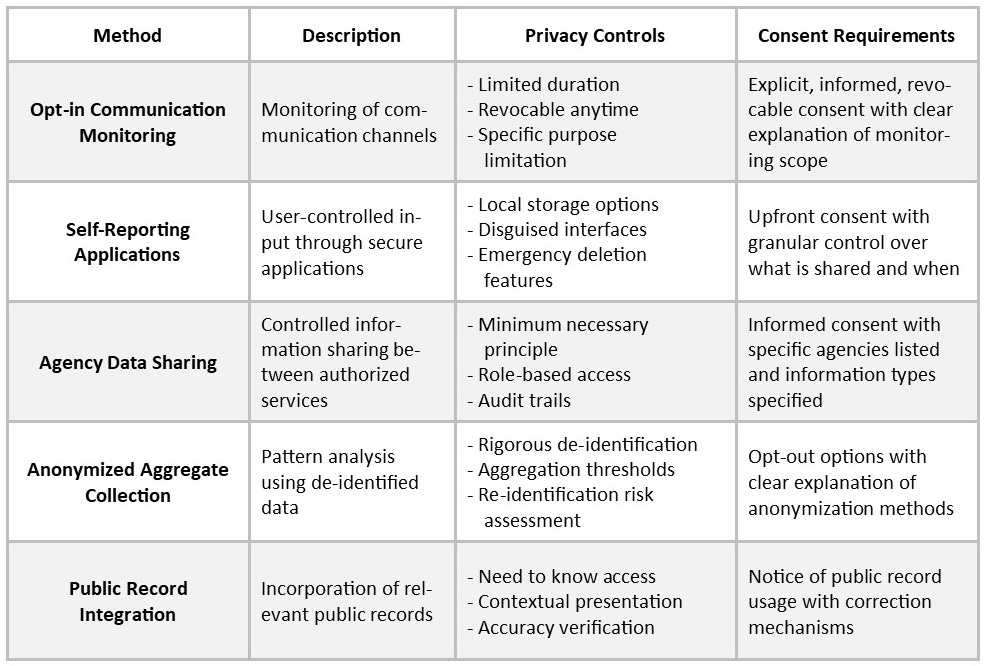
1.3 Data Collection Methods
2. Privacy Framework
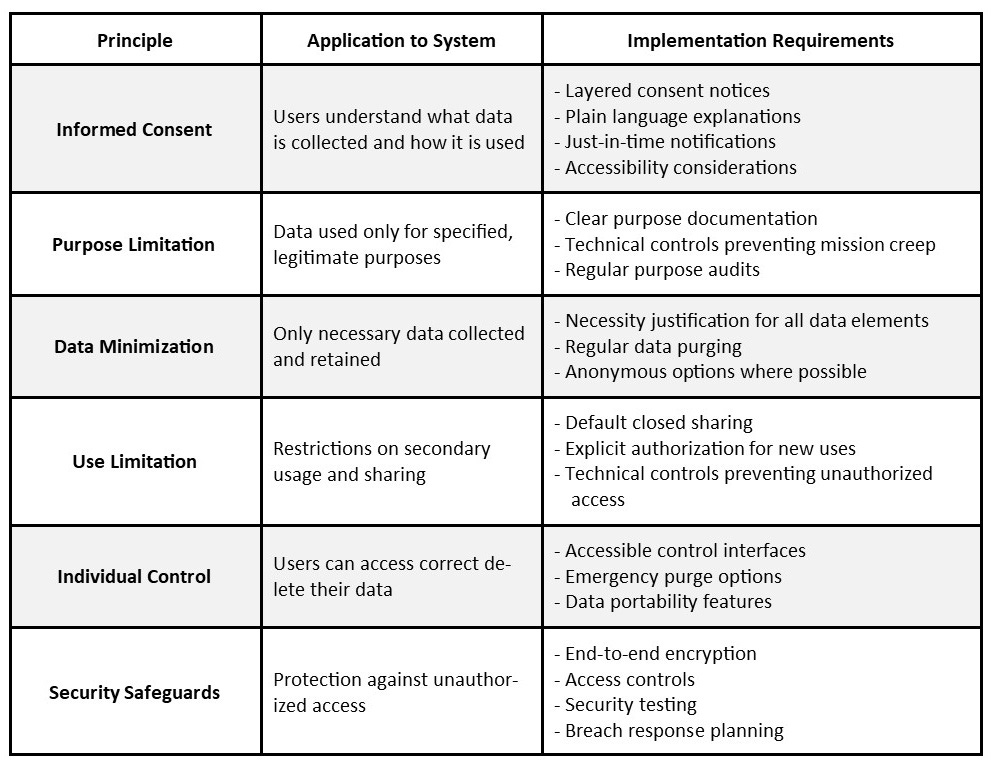
2.1 Core Privacy Principles
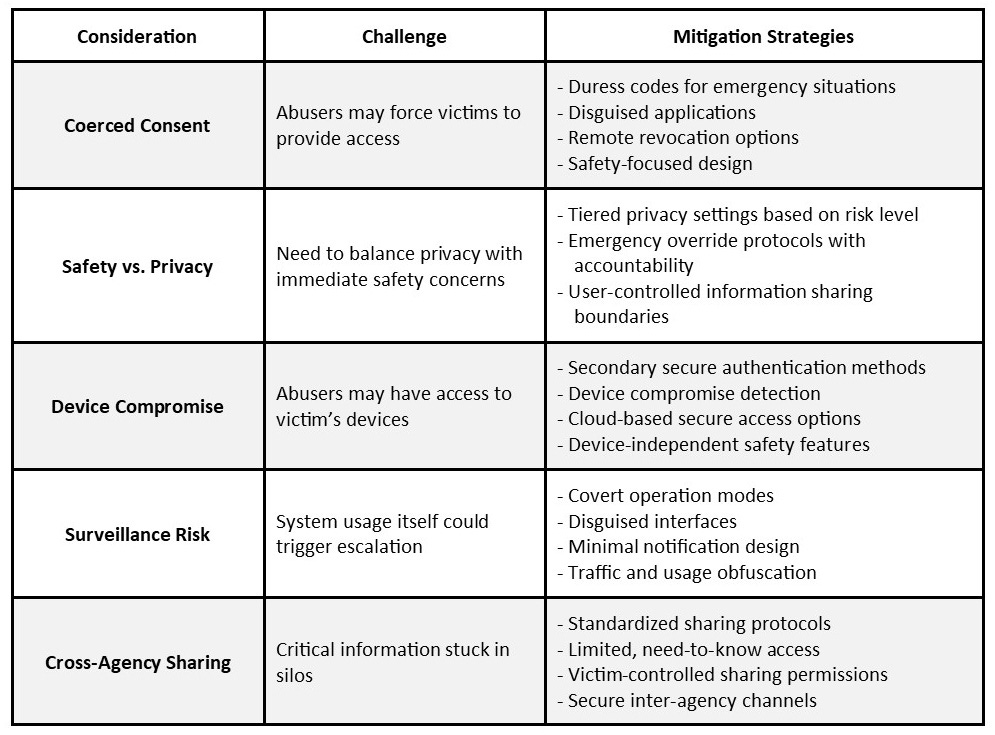
2.2 Special Privacy Considerations for Domestic Violence Context
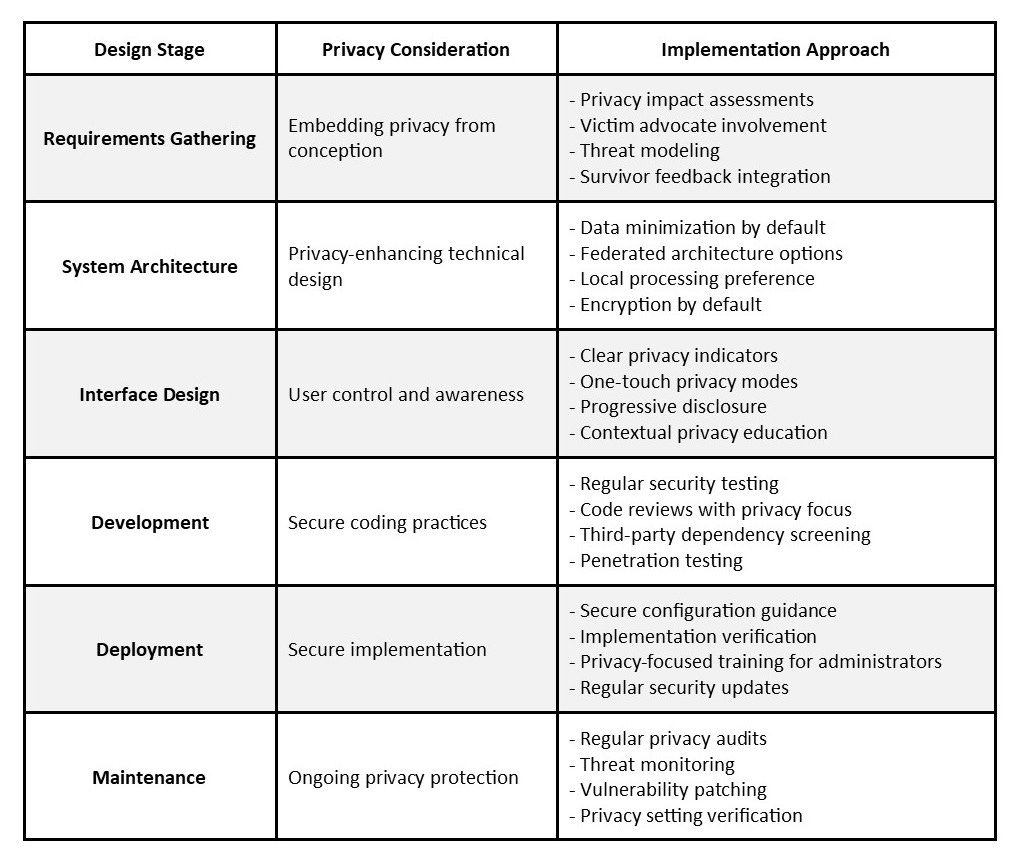
2.3 Privacy by Design Implementation
3. Data Protection Safeguards
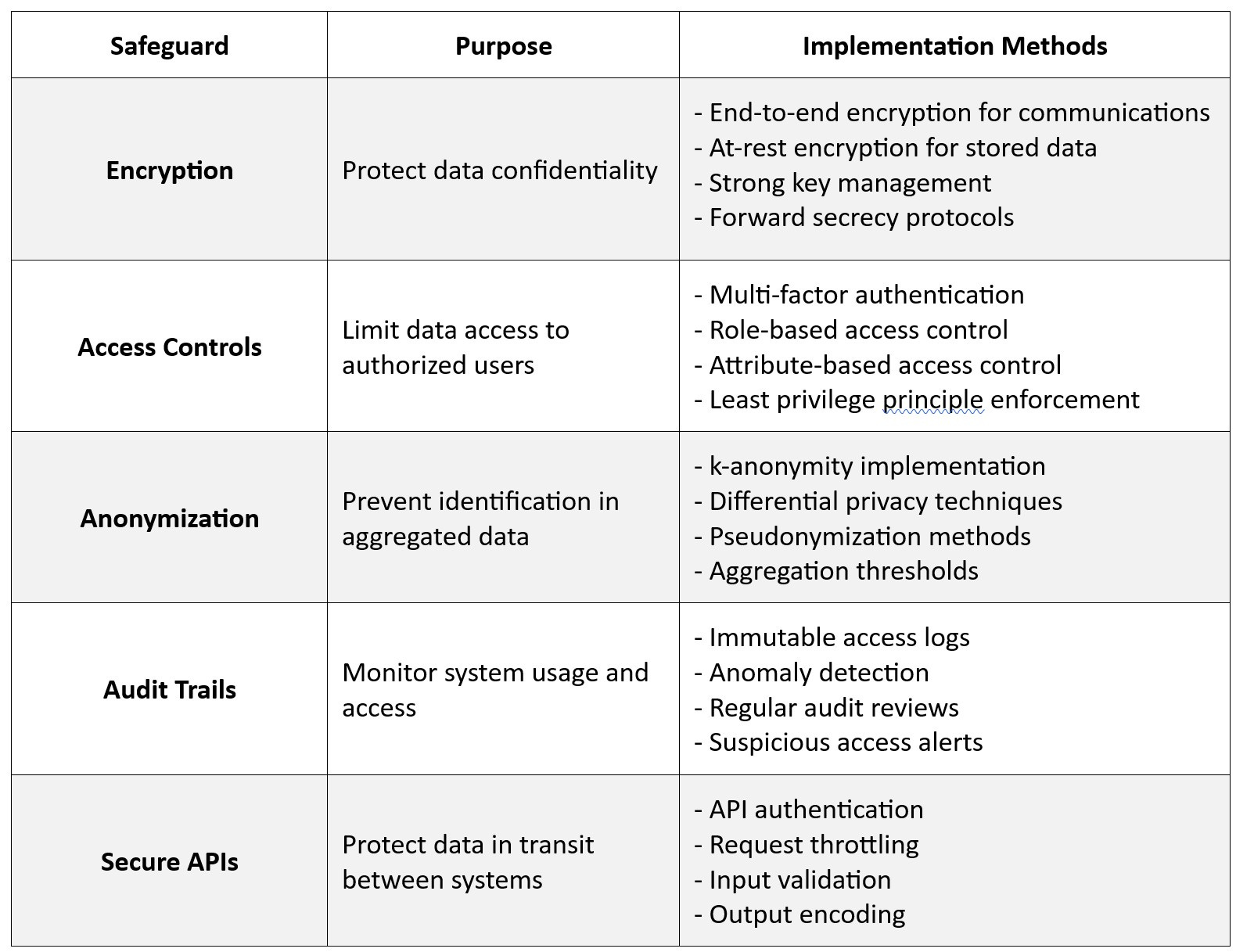
3.1 Technical Safeguards
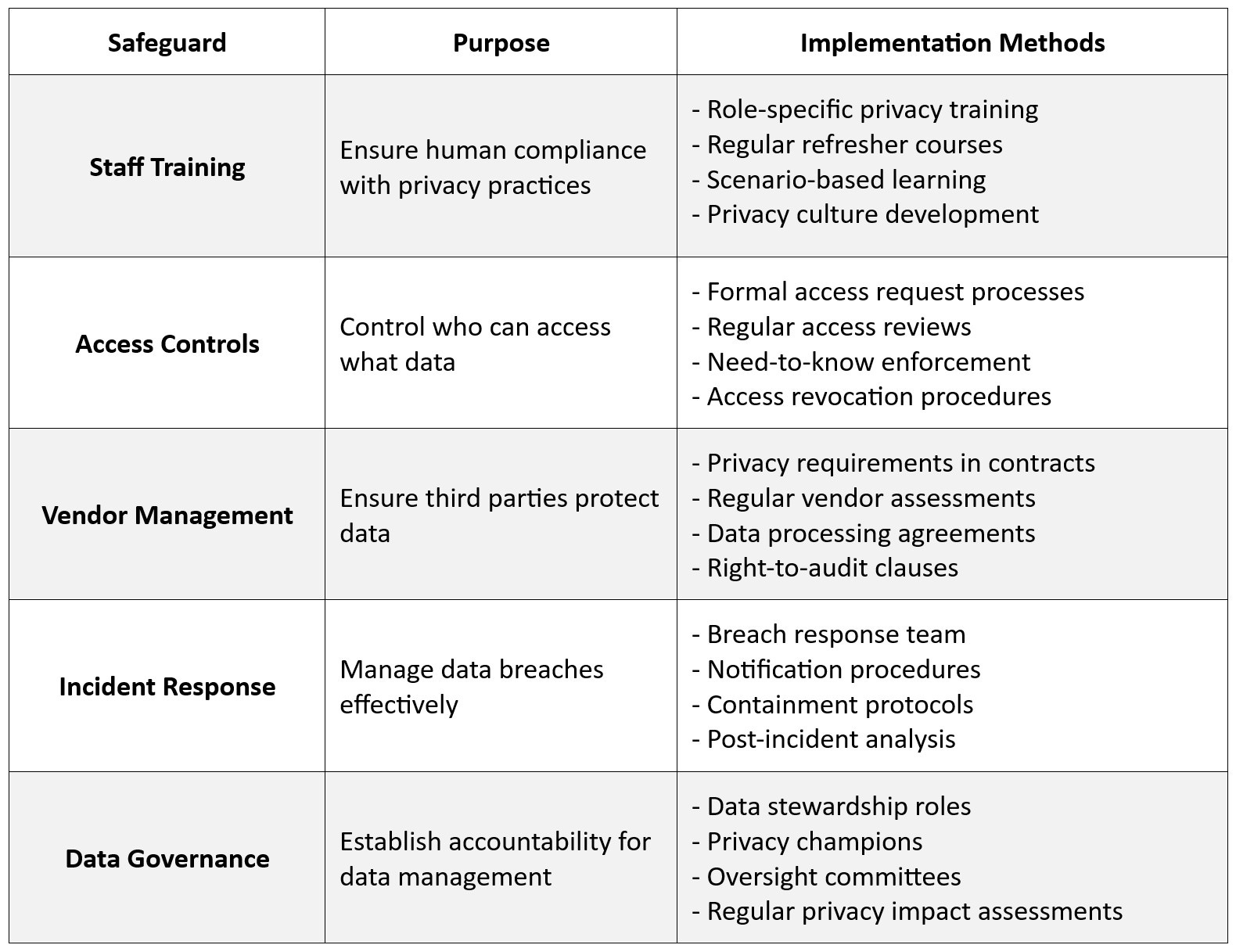
3.2 Business Process
4. Ethical AI Considerations
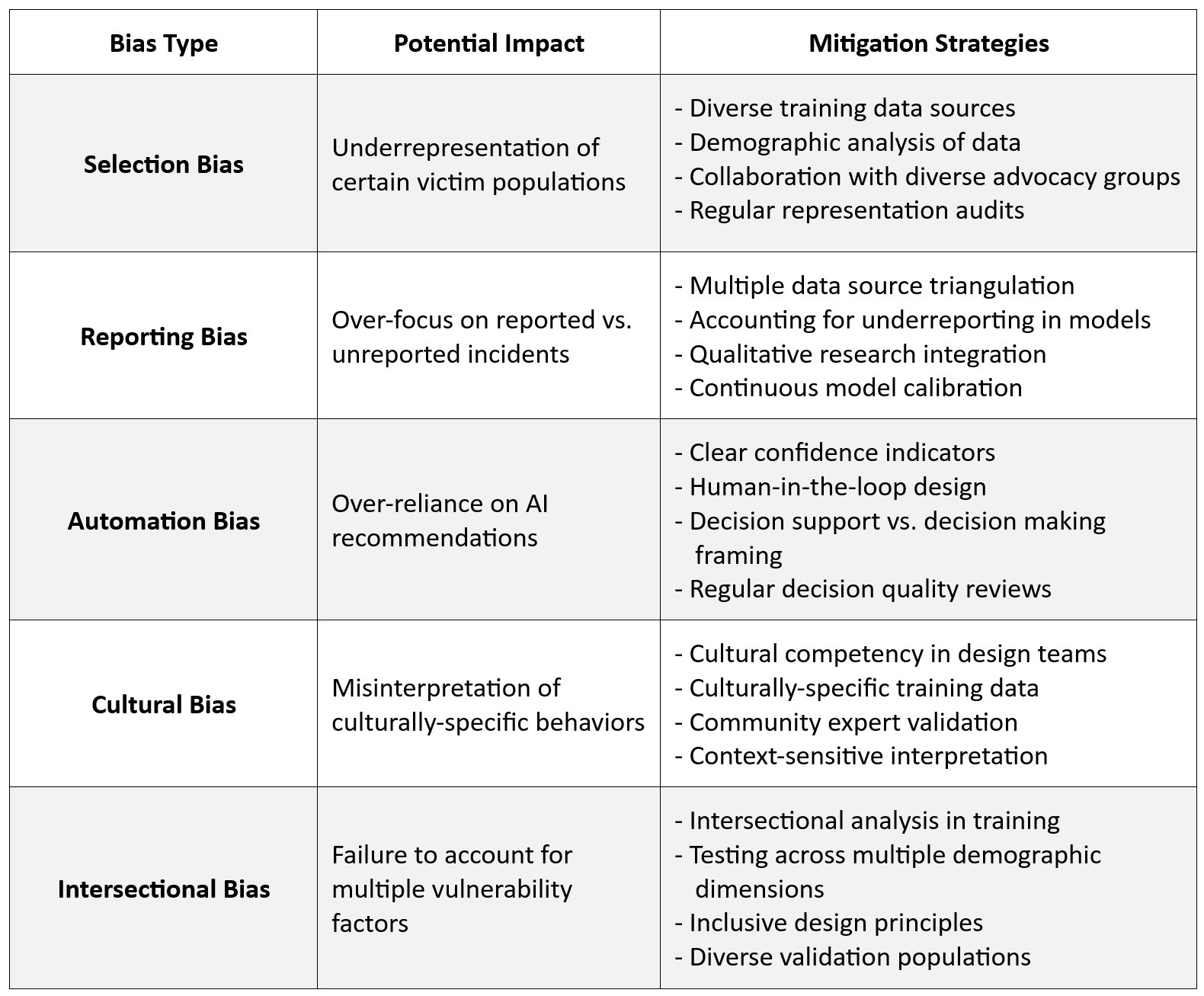
4.1 Bias Mitigation Framework
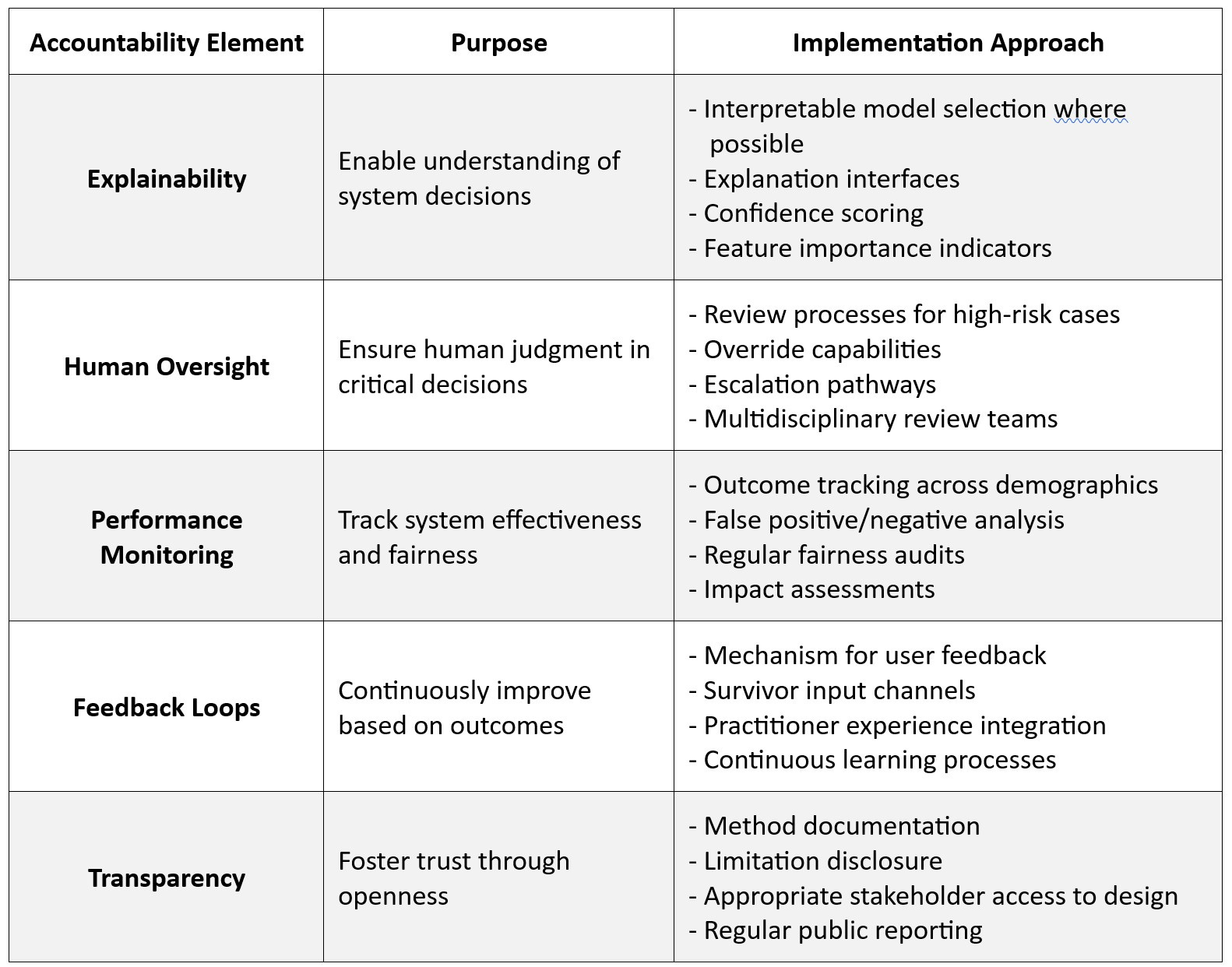
4.2 Accountability Framework
Conclusion: Moving from Analysis to Action
Translating Worksheet Insights into Responsible AI Development
Having completed these worksheets, you should continue to be engaged in a thorough examination of the ethical, social, and technical dimensions of AI systems for domestic violence intervention. This process has likely revealed complexities, tensions, and opportunities that weren't immediately apparent when you began.
The value of this analysis lies not only in the documentation produced, but also in how it informs the development process moving forward. Here are key considerations you can use to translate these insights into action:
Integrating Multiple Perspectives
The stakeholder analysis and ethical framework assessment worksheets have highlighted the diverse and sometimes competing needs of those who interact with domestic violence intervention systems. Responsible development requires ongoing engagement with these perspectives, particularly centering on the voices of survivors and advocates who bring crucial lived experience to the table.
Embracing Complexity and Nuance
The worksheets may have revealed areas where clear-cut answers are elusive, particularly around balancing privacy with safety or determining appropriate levels of system automation. This complexity is inherent to the problem space and should be embraced rather than simplified away. The most effective systems will acknowledge these nuances and build in flexibility to address them.
Committing to Continuous Evaluation
The frameworks are not one-time assessments but foundations for ongoing evaluation. As technological capabilities evolve, societal norms shift, and our understanding of domestic violence deepens, these analyses must be revisited and refined. Build monitoring and feedback mechanisms into your design to facilitate this process.
Prioritizing Safety and Agency
Throughout your analysis, two principles should remain paramount: the physical and psychological safety of those experiencing domestic violence, and the preservation of their agency and autonomy. Technology should empower rather than control, support rather than surveil, and always include human oversight where decisions impact safety and wellbeing.
Recognizing Limitations
Perhaps most importantly, these worksheets highlight the limitations of technological solutions to domestic violence. AI systems, no matter how sophisticated, cannot replace the human-centered approaches and social services that address the root causes of abuse. The most responsible designs acknowledge these limitations and position technology as one component of a broader ecosystem of support and intervention.
Looking Forward
As you conclude this exercise, you should carry these frameworks as tools for responsible innovation. The ability to anticipate potential harms, engage meaningfully with diverse stakeholders, and design with both technical excellence and ethical integrity will serve you well beyond this specific application area.
Remember that the goal is not perfection but progress—creating systems that, with appropriate humility and care, contribute positively to addressing one of society's most persistent challenges. Your thoughtful engagement with these worksheets represents an important step in that journey.
Approaching the intersection of AI and domestic violence intervention with both technical rigor and profound empathy contributes to a future where technology serves humanity's deepest needs for safety, dignity, and wellbeing.